Proudly Canadian
 Call Us: +1 403-287-0993
Quick Takeaways
What is vibration therapy?
Low-intensity vibration therapy uses gentle mechanical signals at 30 Hz frequency to stimulate bone-forming cells (osteoblasts) and strengthen your skeleton through natural bone remodelling processes.How long does vibration therapy take?
Just 10 minutes daily standing on a low-intensity vibration platform. No strenuous exercise, balance skills, or special preparation required.Is vibration therapy safe?
Low-intensity vibration therapy offers a safe, drug-free approach to osteoporosis treatment with zero reported side effects in clinical studies spanning 40 years of research.How does vibration therapy compare to medication?
Low-intensity vibration therapy works as a complementary or alternative treatment for osteoporosis and osteopenia. It’s suitable for medication-intolerant individuals or those seeking natural bone health support alongside conventional treatments.
A Better Way to Build Stronger Bones
If you've been diagnosed with osteoporosis or osteopenia, you've likely faced a difficult choice: take medications with concerning side effects or attempt weight-bearing exercises that feel risky when your bones are already fragile. Many people find themselves caught between fear of fractures and worry about long-term medication use.
What if there was another option? One that requires no pharmaceuticals, no strenuous exercise, and just 10 minutes of your day?
Vibration therapy offers exactly that: a scientifically proven method to strengthen bones through gentle mechanical stimulation. By standing on a specialized platform that delivers precise, low-intensity vibrations, you can activate your body's natural bone-building processes from the comfort of your home.
This comprehensive guide explains how vibration therapy works, what the science says, and whether this innovative approach to osteoporosis treatment might be right for you.
What Is Low-Intensity Vibration Therapy?
Vibration therapy involves standing on a platform that generates controlled mechanical vibrations. These vibrations travel through your body, creating subtle signals that your bones and muscles respond to naturally.
However, not all vibration therapy is created equal. It's crucial to understand the difference between low-intensity vibration (LiV) and the high-intensity vibration platforms you might see at gyms or fitness centers.
So, what’s the difference between high-intensity and low-intensity vibration devices?
High-intensity Vibration:
- Strong, forceful movements (up to 15g acceleration)
- Higher frequencies and amplitudes
- Designed for fitness and muscle training
- May not be safe for people with osteoporosis
- Requires balance and stability
- Can feel uncomfortable or even painful
Low-intensity Vibration (LiV):
- Gentle, barely perceptible movements (0.3g acceleration)
- Frequency: 30-35 Hz (cycles per second)
- Safe for daily use, even with fragile bones
- Medical-grade devices designed specifically for bone health
- No balance or coordination required—simply stand on the platform
- Suitable for people with osteoporosis, joint replacements, or mobility limitations
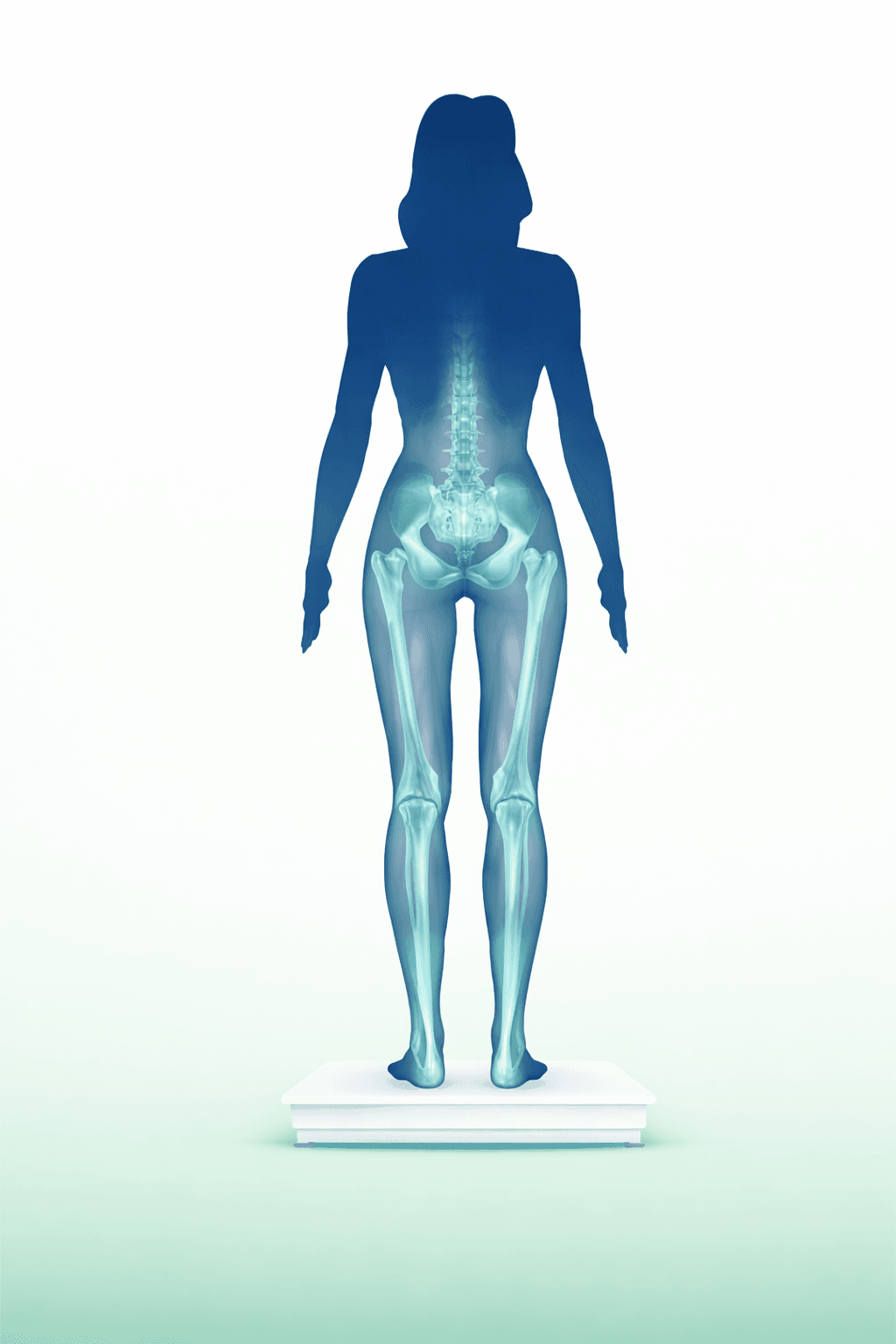
Vibration therapy works by transmitting gentle mechanical signals from the platform through your entire skeletal system.
The distinction matters enormously for osteoporosis treatment. Low-intensity vibration therapy provides the mechanical stimulation bones need without the risks associated with high-impact exercise or aggressive vibration.
The Experience: What Does Vibration Therapy Feel Like?
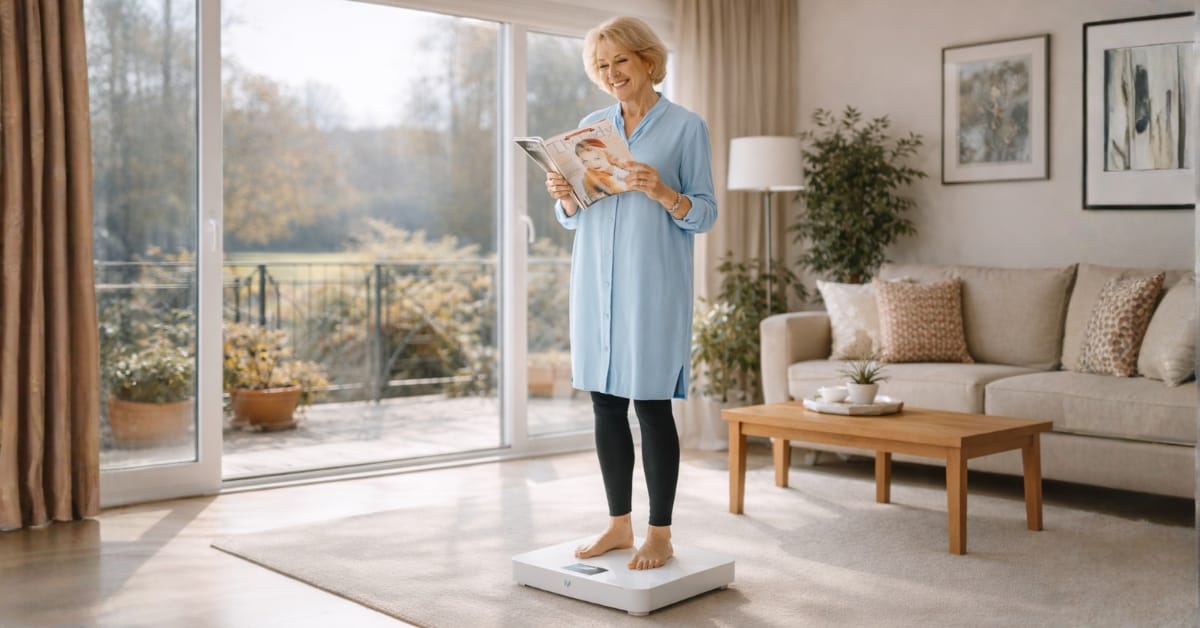
When you stand on a low-intensity vibration platform like the Marodyne LiV device, you'll feel a gentle hum beneath your feet. The sensation is subtle and comfortable, not jarring or uncomfortable.
During your 10-minute session, you can:
- Read a book or check your phone
- Watch television
- Listen to music or podcasts
- Simply relax and let the device do the work
There's no sweating, no elevated heart rate, and no physical exertion required. This makes vibration therapy particularly valuable for older adults or anyone who finds traditional exercise challenging or risky.
The Science Behind How Vibration Therapy Works
Your bones are living tissue that constantly adapts to the forces placed upon them. This fundamental principle, known as the mechanostat theory, explains why vibration therapy can strengthen your skeleton.
The Mechanostat Principle: Your Bones Respond to Mechanical Signals
In the 1960s, scientist Harold Frost discovered that bones function like a "mechanostat.” Similar to how a thermostat maintains temperature, your bones maintain strength based on mechanical load. When your body experiences physical stress or movement, your bones respond by reinforcing themselves.
This is why:
- Astronauts lose bone density in zero gravity (no mechanical load)
- Weight-bearing exercise helps maintain bone strength
- Sedentary lifestyles accelerate bone loss
Vibration therapy capitalizes on this natural adaptive response. The gentle mechanical signals from low-intensity vibration tell your bones, "We need to be stronger."
How Vibration Therapy Activates Bone-Building Cells
Your bones are maintained by two types of cells working in constant balance:
- Osteoblasts (bone-building cells): Create new bone tissue
- Osteoclasts (bone-resorbing cells): Break down old bone tissue
In healthy bones, these processes balance out. In osteoporosis, osteoclasts become more active than osteoblasts, leading to net bone loss.
This dual action (promoting bone formation while inhibiting bone loss) makes vibration therapy a particularly promising approach to osteoporosis treatment. The illustration below shows what this bone remodelling process looks like at the structural level:
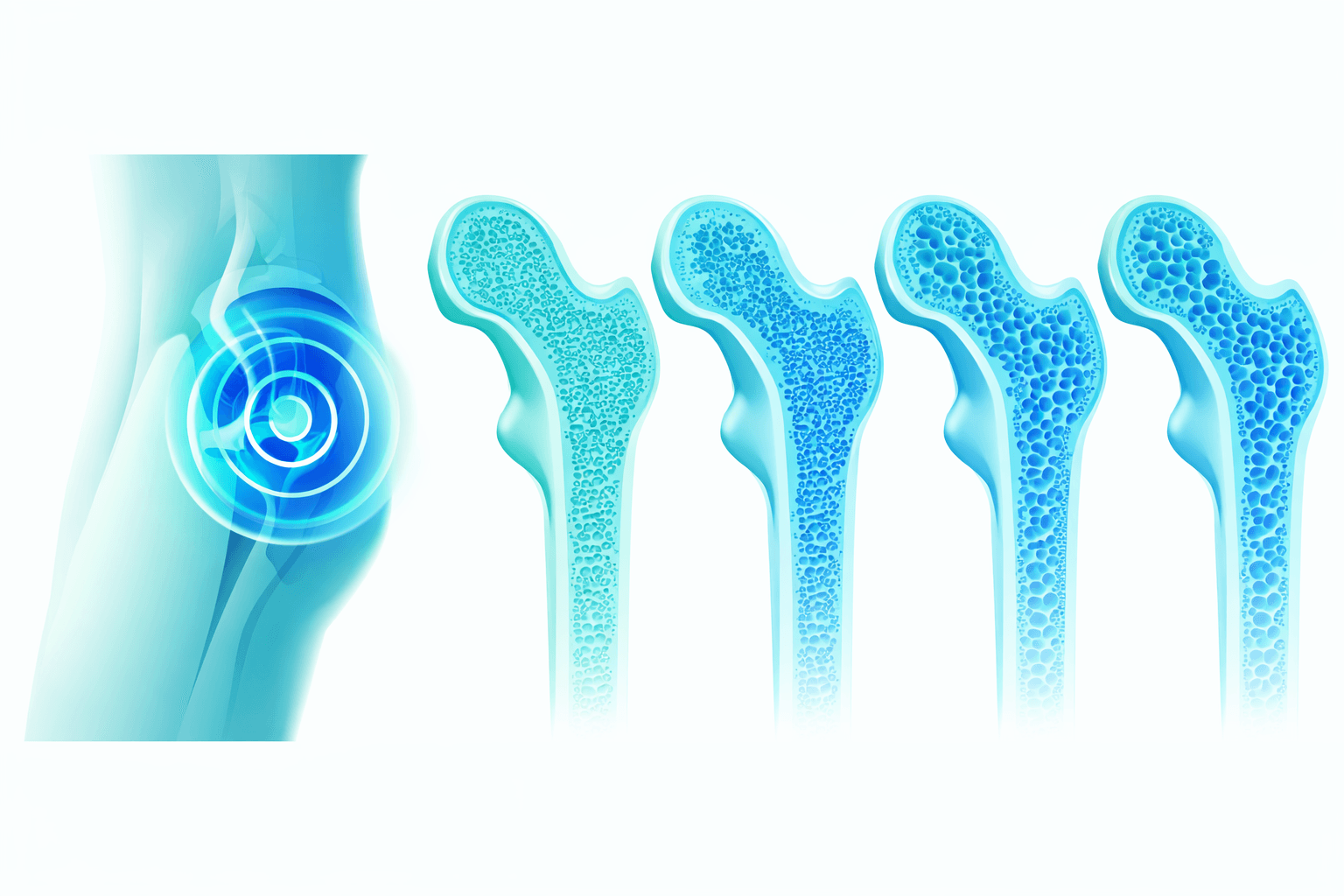
Notice the difference? This illustration shows how bone structure can improve from osteoporosis (porous, weakened bone on the left) to healthy density (strong, well-structured bone on the right). Low-intensity vibration therapy supports this natural rebuilding process.
Research suggests vibration therapy works through a two-pronged mechanism:
- Stimulates osteoblasts: The mechanical signals activate bone-forming cells, encouraging new bone growth
- May reduce osteoclast activity: Some studies indicate vibration therapy can slow bone breakdown
This dual action (promoting bone formation while inhibiting bone loss) makes vibration therapy a particularly promising approach to osteoporosis treatment.
The NASA Connection: From Space Research to Bone Health
The foundation for low-intensity vibration therapy emerged from an unexpected source: NASA's research on preventing bone loss in astronauts.
In zero gravity, astronauts lose approximately 1-2% of their bone mass per month. That’s a rate 10-20 times faster than postmenopausal women with osteoporosis. This accelerated bone loss presented a serious obstacle to long-duration space missions.
Professor Clinton Rubin, a pioneer in bone mechanobiology, developed low-intensity vibration technology as a countermeasure. His research demonstrated that gentle mechanical signals could maintain bone health even in the absence of gravity.
This same NASA-inspired technology now powers the Marodyne LiV platform, bringing space-age bone health science into your home.
Clinical Evidence: Does Vibration Therapy Really Work?
The promise of strengthening bones by standing on a platform for 10 minutes might sound too good to be true. What does the research actually show?
40 Years of Research and Clinical Studies
Vibration therapy for bone health isn't a new concept or untested fad. Scientific investigation spans four decades, with research conducted at major institutions worldwide.
Key research findings:
A landmark study published in Scientific Reports found that low-intensity vibration improved bone quality in animal models, specifically enhancing trabecular bone architecture — the spongy interior bone structure most vulnerable to osteoporosis.
Research on postmenopausal women (the group most affected by osteoporosis) has shown promising results. Multiple studies have documented improvements in bone density measurements, particularly in the hip and spine, the most critical sites for fracture prevention.
A study examining vibration therapy in children with disabilities (who often have compromised bone health) found that regular use improved bone mineral density compared to control groups, suggesting the treatment's effectiveness across different populations.
Understanding Bone Mineral Density Improvements
When evaluating osteoporosis treatments, doctors look at changes in bone mineral density (BMD) measured through DEXA scans. Even small improvements in BMD can significantly reduce fracture risk.
Research on vibration therapy has documented:
- Stabilization of bone density in postmenopausal women (preventing expected decline)
- Modest improvements in BMD measurements (1-3% increases in various studies)
- Enhanced bone quality beyond what density measurements alone capture
It's important to maintain realistic expectations. Vibration therapy typically won't reverse severe osteoporosis to completely normal bone density. However, stabilizing bone loss, achieving modest improvements, and enhancing bone quality all contribute meaningfully to fracture prevention.
Beyond Bone Density: Additional Benefits
While bone health drives most interest in vibration therapy, research has identified other potential benefits:
✔️ Improved balance and stability: Reduced fall risk through better neuromuscular coordination
✔️ Enhanced muscle strength: Particularly in postural muscles supporting the spine
✔️ Better mobility: Improved functional capacity for daily activities
Since falls cause most osteoporotic fractures, these balance and strength benefits may be just as important as bone density improvements for overall fracture prevention.
Marodyne LiV: Medical-Grade Low-Intensity Vibration Therapy
Understanding how vibration therapy works is one thing. Finding a device that delivers the precise, clinically proven parameters is another.
What Makes Marodyne LiV Different
The Marodyne LiV device stands apart from generic vibration platforms and fitness equipment in several crucial ways:
→ Medical Device Certification
Marodyne LiV is a certified medical device. This certification means it has undergone rigorous testing and meets strict safety and efficacy standards, something fitness vibration platforms don't require.
→ Precise Low-Intensity Parameters
The device delivers exactly 0.3g acceleration at 30 Hz—the specific parameters validated in clinical research. This precision matters enormously, as higher intensities may be unsafe for people with osteoporosis, while lower intensities may not provide adequate stimulus.
→ NASA-Inspired Technology
Developed with support from NASA research, Marodyne LiV uses the same principles discovered through space program studies on preventing bone loss in astronauts.
→ Designed for Home Use
Unlike clinical devices requiring medical supervision, Marodyne LiV is specifically engineered for safe, independent use at home. The platform is stable, requires no special setup, and operates with the push of a button.
How to Use Marodyne LiV: Your Daily 10-Minute Routine
Using vibration therapy couldn't be simpler:
- Place the device on a flat, stable surface in your home
- Step onto the platform wearing comfortable shoes or barefoot
- Press the start button to begin your 10-minute session
- Stand comfortably with feet shoulder-width apart
- Relax and multitask while the device works
That's it. No complicated settings, no difficult exercises, no special preparation. Just 10 minutes of standing while you go about other activities.
When to use it:
- Morning routine while checking emails or reading news
- Evening while watching television
- While listening to audiobooks or podcasts
- Any time that fits your daily schedule
Consistency matters more than timing. Choose a time you can commit to daily, and make vibration therapy part of your routine just like brushing your teeth.
What to Expect: Timeline for Results
Understanding the timeline helps set realistic expectations:
First Week: You may notice nothing at all, and that's completely normal. The vibrations are gentle and subtle. Some users report feeling slight tingling in their feet or a general sense of relaxation.
First Month: Many users notice improved balance and stability before seeing bone density changes. You might feel more confident in your movement or experience better posture.
3-6 Months: Continue daily use while your bones respond to the mechanical signals. This is when osteoblasts begin laying down new bone tissue, though changes won't be visible yet.
6-12 Months: Your next bone density scan may show stabilized bone density (no further loss) or modest improvements. Even small changes in bone mineral density can significantly impact fracture risk.
Ongoing: Continued daily use maintains and potentially continues improving bone health. Think of vibration therapy as a long-term investment in your skeletal strength, not a quick fix.
Safety Profile: What About Side Effects?
One of vibration therapy's most compelling advantages is its exceptional safety profile.
Clinical studies on low-intensity vibration have reported:
- Zero serious adverse events
- No medication interactions
- No systemic side effects
- No risk of "overdoing it" or causing harm through regular use
Who should use caution: While generally safe, certain conditions require medical consultation before starting vibration therapy:
- Pregnancy
- Recent surgery or acute injury
- Certain cardiovascular conditions
- Active cancer
Always discuss new treatments with your healthcare provider, particularly if you have complex medical conditions.
Vibration Therapy vs. Other Osteoporosis Treatments
Making informed decisions about bone health requires understanding all your options. Here's how vibration therapy compares to conventional treatments:
The Complementary Approach
Vibration therapy shouldn't necessarily replace other treatments. It can work alongside them.
Many users successfully combine:
- Vibration therapy + nutrition: Optimal bone-building requires both mechanical stimulus and proper nutrients
- Vibration therapy + calcium/vitamin D: Supplements provide building blocks while vibration signals bones to use them
- Vibration therapy + exercise: Gentle activities like walking pair well with daily vibration sessions
- Vibration therapy + medications: Some people use both, potentially allowing lower medication doses (consult your doctor)
The key is following a bone health strategy tailored to your specific situation, preferences, and medical needs.
Real Results: What Users Experience
While clinical studies provide important evidence, hearing from real people using vibration therapy offers valuable perspective.
Andrea's Story: Year-Round Bone Health Support
“I am using it specifically to improve my bone density, but I believe that it has been very beneficial for my general health. It has been particularly helpful to have it during the coldest days in January when it is harder to get outside and be active. I find it excellent for all the reasons described in the literature. My husband is now also using it for muscle stimulation for his legs.”
Andrea, Ontario
Pat's Experience: Feeling Stronger After 6 Months
“I have been using my LiV machine from Marodyne for about 6 months now. I have not had another bone density test yet but can say that I am feeling stronger in my spine and hips and find that my legs don't feel as "heavy" as they once did.”
Pat, Manitoba
Pam's Journey: From Stair Pain to Daily Confidence
“I will soon be 71. I was diagnosed with osteoporosis. I live on the 3rd floor of a building with no elevators and could hardly make it up the stairs with extreme pain in my right femur bone. I bought my Marodyne LiV in August 2023 and faithfully do a session each day. I’m waiting for a follow-up bone density test to see if my bone density has indeed improved, but the pain in my right femur bone is gone, I feel more agile, and I can do the 3 flights of stairs just fine now. I believe in the science of this machine.”
Pam, Ontario
Frequently Asked Questions About Vibration Therapy
Is vibration therapy safe for people with osteoporosis?
Yes. Low-intensity vibration therapy is specifically designed for people with fragile bones. Unlike high-intensity vibration platforms or high-impact exercise, the gentle mechanical signals pose no risk of causing fractures or injury. Clinical studies have demonstrated excellent safety profiles with no serious adverse events reported.
How long before I see results from vibration therapy?
Bone remodelling is a gradual process. Most users notice improved balance and stability within the first 1-3 months. Changes in bone density typically become measurable on DEXA scans at 6-12 months with consistent daily use. Remember that even stabilizing bone loss (preventing expected decline) represents a positive result.
Can I use vibration therapy if I have a hip or knee replacement?
Many people with joint replacements safely use low-intensity vibration therapy, but you should always consult with your surgeon first. The gentle nature of LiV therapy typically poses no concerns for well-healed joint replacements, but your specific medical history requires personalized assessment.
Does vibration therapy replace my osteoporosis medication?
Vibration therapy should not replace prescribed medications without consulting your physician. Some people use vibration therapy as an alternative to medications (with their doctor's guidance), while others use both approaches together. Your treatment plan should be individualized based on your bone density, fracture risk, and medical history.
What's the difference between Marodyne LiV and gym vibration plates?
Fitness vibration platforms deliver high-intensity vibrations designed for muscle training and exercise. These may not be safe for people with osteoporosis and don't provide the precise low-intensity parameters validated in bone health research. Marodyne LiV is a medical device certified specifically for bone health treatment, with clinical evidence supporting its effectiveness.
Can I use the device more than 10 minutes per day?
While using the device longer won't cause harm, research suggests 10 minutes daily provides optimal bone stimulus. More isn't necessarily better. Your bones need time to respond to the mechanical signals. Think of it like watering a plant: the right amount helps it grow, but too much doesn't accelerate growth.
Will my insurance cover vibration therapy?
Insurance coverage varies. Some extended health plans in Canada may provide partial reimbursement for medical devices prescribed by a physician. Check with your insurance provider about medical device coverage.
What if I have balance problems or difficulty standing?
The Marodyne LiV platform is stable and low to the ground, making it accessible for most users. If you have significant balance concerns, you can:
- Use the device near a wall or counter for support
- Have someone nearby during initial sessions
- Sit on a sturdy stool or chair placed on the platform (though standing provides optimal benefits)
If you're unsure about your ability to use the device safely, consult with your healthcare provider or physical therapist.
Can younger people or men benefit from vibration therapy?
While most osteoporosis research focuses on postmenopausal women (the highest-risk group), vibration therapy can benefit anyone concerned about bone health:
- Men with osteoporosis or low bone density
- Younger people with osteopenia
- Individuals unable to perform weight-bearing exercise
- Anyone seeking to maintain bone strength as they age
Getting Started with Vibration Therapy
If you're considering vibration therapy as part of your bone health strategy, here's how to approach it thoughtfully:
Step 1: Understand Your Current Bone Health
Before starting any new treatment, know where you stand:
- Get a DEXA scan if you haven't had one recently
- Understand your T-score and Z-score (learn more about bone density testing)
- Discuss your fracture risk with your healthcare provider
- Review any existing treatments and their effectiveness
Step 2: Discuss with Your Healthcare Provider
While vibration therapy is safe for most people, medical guidance ensures the best approach:
- Share this article or research on low-intensity vibration with your doctor
- Discuss whether vibration therapy is appropriate for your situation
- Determine if you should continue, modify, or discontinue current medications
- Ask if they can provide a prescription or letter for insurance purposes
Step 3: Commit to Consistency
Vibration therapy only works if you use it regularly:
- Decide on a daily time that fits your routine
- Set a reminder until it becomes habit
- Track your usage to maintain accountability
- Remember that 10 minutes daily is manageable for nearly everyone
Step 4: Create a Comprehensive Bone Health Plan
Vibration therapy works best as part of a holistic approach:
- Ensure adequate calcium and vitamin D intake
- Maintain a bone-healthy diet rich in nutrients
- Incorporate appropriate physical activity
- Avoid smoking and excessive alcohol
- Manage fall risks in your home environment
Step 5: Monitor Your Progress
Track your bone health journey:
- Schedule follow-up DEXA scans (typically every 1-2 years for moderate- to high-risk patients)
- Note subjective improvements in balance, posture, or confidence
- Keep records of your consistent device usage
- Communicate results with your healthcare provider
Your Path Forward: Taking Control of Your Bone Health
Living with osteoporosis or osteopenia means facing uncertainty about your skeletal strength and fracture risk. The diagnosis can feel overwhelming, particularly when treatment options seem limited to medications with concerning side effects or exercise that feels risky with fragile bones.
Vibration therapy offers a different path. One that's gentle, safe, and backed by decades of scientific research. By spending just 10 minutes each day standing on a low-intensity vibration platform, you're giving your bones the mechanical signals they need to maintain and potentially improve their strength.
The Marodyne LiV device brings medical-grade vibration therapy into your home, making this NASA-inspired technology accessible and convenient. No strenuous exercise required. No medication side effects to manage. Just 10 minutes a day of something you can do while reading, watching TV, or simply relaxing.
Stronger bones don't happen overnight, but they do happen with consistent effort and the right approach. Whether you choose vibration therapy as your primary treatment, combine it with other approaches, or use it to complement your current regimen, you're taking active control of your bone health.
It’s Time to LiV
Order your Marodyne LiV device and start your 10-minute daily routine, or contact our team with questions about whether vibration therapy is right for your situation.