Proudly Canadian
 Call Us: +1 403-287-0993

If your doctor has mentioned your bone density, vitamin D may have come up in the conversation too. That is because vitamin D plays an important role in helping your body absorb calcium and support strong bones. Understanding how vitamin D works can make it easier to make informed choices about your diet, supplements and overall bone health.
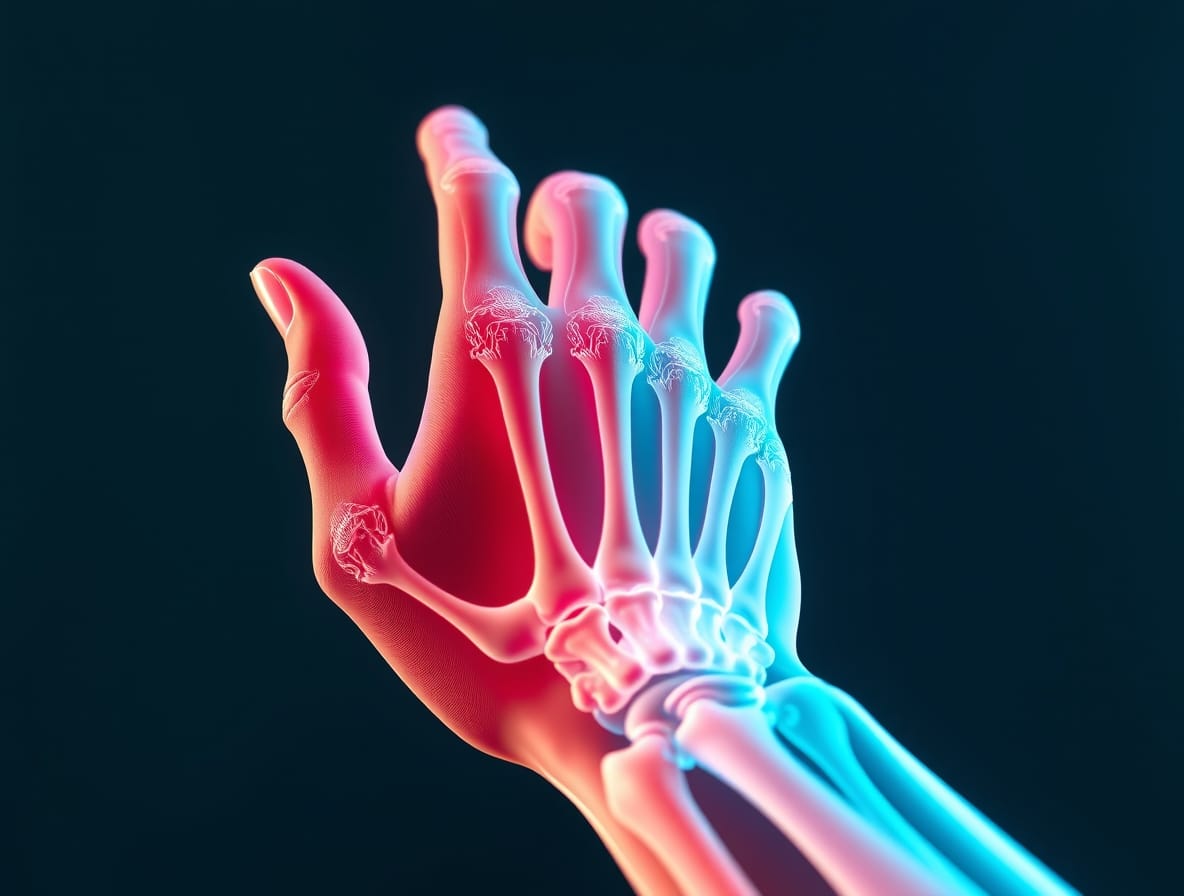
How Does Vitamin D Support Bone Health?
Vitamin D helps your body absorb calcium from the foods you eat. Without enough vitamin D, your body may not absorb calcium as efficiently, even if you are getting plenty through your diet. According to Osteoporosis Canada, vitamin D also supports muscle function, which may help with balance and reduce the risk of falls and fractures [1]. For people living with osteopenia or osteoporosis, both strong bones and strong muscles matter.
Vitamin D can help support:
- Calcium absorption
- Healthy bones
- Muscle function
- Balance
- Fall and fracture prevention
Why Vitamin D Matters During and After Menopause
Bone health can become even more important during menopause. As estrogen levels decrease, bone loss can happen more quickly. This is one reason osteoporosis is more common in women over 50. A guideline review published by Osteoporosis Canada found that vitamin D supplementation may help support bone density in postmenopausal women and men over 50 [2].
You can learn more in our guide to bone health before and after menopause.
Vitamin D cannot prevent menopause-related bone loss on its own, but it can still play an important role by helping support:
- Calcium absorption
- Bone strength
- Muscle health
- Overall bone maintenance
Is Vitamin D Deficiency Common in Canada?
Getting enough vitamin D can be more difficult in Canada, especially during the fall and winter. Osteoporosis Canada notes that between October and March, reduced sunlight makes it harder for the body to produce vitamin D naturally [1].
Statistics Canada data from 2016 to 2019 found that:
- About 65% of Canadians had vitamin D levels above 50 nmol/L
- The percentage of people with levels below 30 nmol/L rose from 5% to 13% during winter
- People who took vitamin D supplements were less likely to have very low vitamin D levels [3]
This is one reason vitamin D intake becomes especially important during the colder months.
How Much Vitamin D Do You Need?
Osteoporosis Canada follows Health Canada recommendations [1]:
- Adults up to age 70: 600 IU (15 µg) per day
- Adults over age 70: 800 IU (20 µg) per day
- Canadians aged 50 and older: A daily 400 IU (10 µg) supplement is also recommended
More vitamin D is not always better.
Taking too much can cause health problems, so speak with your doctor or pharmacist before increasing your dose, especially if you have a condition that affects how your body absorbs nutrients.

What Are the Best Sources of Vitamin D?
Only a small number of foods naturally contain significant amounts of vitamin D.
Common sources include:
- Fatty fish such as salmon, trout, mackerel and sardines
- Fortified cow’s milk
- Fortified margarine
- Some fortified plant-based beverages
- Some fortified yogurts
- Egg yolks
- Vitamin D supplements
For many adults, especially those over 50, supplements may be one of the most reliable ways to meet daily vitamin D needs. Vitamin D and calcium also work closely together. For simple food ideas, visit our guide to a good diet for osteoporosis.
Supporting Your Bones Beyond Nutrition
Vitamin D and calcium are important, but nutrition is only one part of bone health.
Your bones also benefit from regular movement and mechanical stimulation.
A well-rounded bone health routine may include:
- Weight-bearing activity
- Strength training
- Balance exercises
- Enough calcium and vitamin D
- Fall prevention
- Regular medical care
For people who are unable to do high-impact exercise, low-intensity vibration therapy may offer another option.
Marodyne LiV delivers a gentle, low-intensity signal through the feet while you stand on the device for 10 to 20 minutes a day.
It uses a signal of 0.3g at 30 Hz and was developed following decades of research into low-intensity vibration.
If you are comparing vibration devices for bone health, it is important to remember that not all vibration plates are designed for the same purpose.
For example:
- Fitness vibration plates are generally designed for exercise and muscle activation
- Marodyne LiV uses a low-intensity signal designed to support bone and musculoskeletal health
Marodyne LiV is not a replacement for vitamin D, exercise, medication or medical care. It is designed to be used alongside your existing bone health plan.
Frequently Asked Questions About Vitamin D and Bone Health
Does Vitamin D Increase Bone Density?
Vitamin D helps your body absorb calcium, which is essential for healthy bones.
Research suggests vitamin D supplementation may help support bone density in postmenopausal women and men over 50, particularly as part of a broader bone health plan that includes:
- Calcium
- Regular activity
- Strength and balance work
- Medical guidance when needed
Is Vitamin D Deficiency Common in Canada?
Low vitamin D levels can become more common during Canadian winters because there is less sunlight available for the body to produce vitamin D naturally.
Statistics Canada found that the percentage of people with very low vitamin D levels increased during the winter months [3].
How Much Vitamin D Should I Take for Osteoporosis?
General Health Canada recommendations are:
- 600 IU daily for adults up to age 70
- 800 IU daily for adults over 70
- A 400 IU supplement for Canadians aged 50 and older
Your individual needs may be different, especially if you have osteoporosis, low vitamin D levels or problems absorbing nutrients.
Your doctor or pharmacist can help determine an appropriate amount for you.
Can I Use Marodyne LiV While Taking Vitamin D?
Marodyne LiV can be used alongside:
- Vitamin D
- Calcium
- Prescribed osteoporosis medications
- Other parts of your bone health plan
Visit our Patients page to learn more, and speak with your healthcare provider if you have questions about adding it to your routine.
Where Can I Find Marodyne LiV in Canada?
Marodyne LiV can be shipped directly to customers across Canada.
You can order Marodyne LiV online or contact the team if you have questions about prescriptions, insurance or how the device works.
Supporting Your Bone Health Over Time
Vitamin D is an important part of maintaining healthy bones, but it works best as part of a bigger picture.
A well-rounded bone health plan may include:
- Enough vitamin D
- Adequate calcium
- Regular movement and weight-bearing activity
- Strength and balance exercises
- Fall prevention
- Medical care and screening when needed
- Additional bone support options where appropriate
Small, consistent steps can help support your bones over time.
Looking for More Ways to Support Your Bone Health?
If you are exploring additional ways to support your bones, the Marodyne team can answer your questions about how LiV works, prescriptions and insurance options. Explore Marodyne LiV
References
- Osteoporosis Canada. Vitamin D.
https://osteoporosis.ca/vitamin-d/ - Hanley DA, Cranney A, Jones G, et al. Vitamin D in adult health and disease: a review and guideline statement from Osteoporosis Canada. CMAJ. 2010;182(12)–E618.
https://www.cmaj.ca/content/182/12/e610 - Statistics Canada. Shedding light on Canada’s vitamin D levels as we approach the shortest day of the year. November 2023.
https://statcan.gc.ca/o1/en/plus/5095-shedding-light-canadas-vitamin-d-levels-we-approach-shortest-day-year