Key Takeaways
✓ Bone density naturally decreases after 60 due to changes in how the body renews bone tissue, but there are practical ways to help maintain bone strength.
✓ Focus on a calcium- and protein-rich diet, regular weight-bearing exercise, and healthy lifestyle habits.
✓ Marodyne LiV, a gentle vibration therapy device, can be a helpful, non-invasive addition to your overall bone health plan, especially when it’s paired with these daily habits.
Knowing how to increase bone density after 60 is important if you want to stay active, independent, and confident in your day-to-day life. Bone health isn’t just about avoiding fractures; it’s about maintaining mobility and quality of life as you age.
Your bones do some pretty incredible things. They protect your organs, provide your body with a structure, store calcium, and even act as an anchor to your muscles. But just like muscle, bone strength can decline if it isn’t supported over time.
Most people reach peak bone mass by around age 30. From there, most people experience a gradual decline that often goes unnoticed at first. However, more than two million Canadians are affected by osteoporosis, a condition that weakens bones and increases fracture risk.
In many cases, bone loss isn’t discovered until a fall or injury occurs, which is why prevention and early support are so important.
Fortunately, there are practical, realistic ways to support bone health well into your later years.
Why Do We Lose Bone Density After 60?
A common misconception is that bone density loss is sudden or inevitable. In reality, it’s a gradual process influenced by lifestyle, nutrition, activity levels, and hormonal changes.
As we age, the body replaces old bone tissue more slowly than it breaks it down. Over time, this imbalance can lead to weaker bones, even if you don’t feel any immediate symptoms.
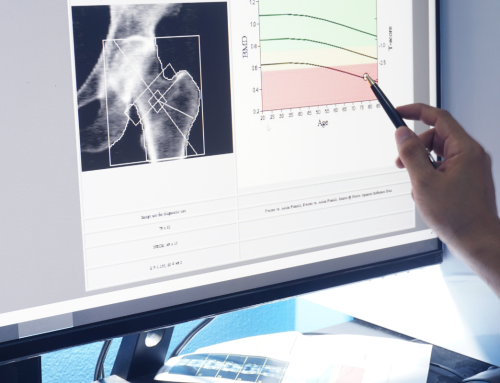
Because bone loss happens quietly, many people are surprised by a diagnosis later in life. The only way to measure bone density accurately is through a bone density scan.
While there isn’t a way to dramatically rebuild bone density after 60, there is a lot you can do to maintain what you have and slow further loss, which can make a meaningful difference in long-term strength and stability.
How to Increase Bone Density After 60 With Nutrition
They say you are what you eat, and what you eat every day can make a big difference in increasing your bone density after 60.
Prioritize Calcium and Vitamin D
Calcium gives bones their strength, while vitamin D helps your body absorb and use it effectively. Women over 50 and men over 70 need about 1,200 mg of calcium and 800 IU of vitamin D per day.
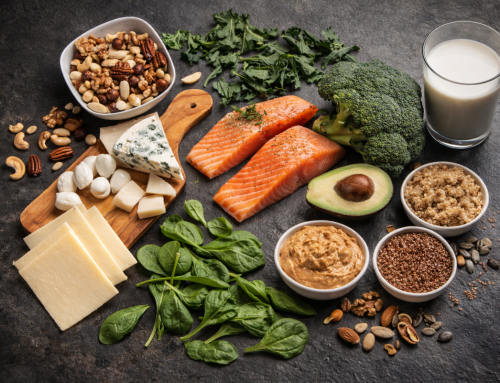
To support your intake, add fortified dairy products, tofu, leafy greens, and fish with edible bones (like sardines) to your meals. Tuna and fortified orange juice are also helpful sources.
Spending about 15 minutes per day in sunlight can help your body produce vitamin D, but it’s important to balance sun exposure with skin protection. For many Canadians, especially during winter months, supplementation may be worth discussing with a healthcare provider.
Eat More Vegetables
Vegetables do more than provide vitamins. They contain antioxidants that support bone cells and help the body retain calcium.
Research has shown that postmenopausal women who increased their veggie intake experienced reduced bone loss within a few months. Vegetables are also rich in vitamin C, which plays a role in protecting bone tissue.
Adding vegetables doesn’t have to be complicated. Toss broccoli, kale, or bell peppers into meals, or snack on carrots and cucumbers with a favourite dip.
Get Enough Protein
Protein isn’t just for muscles. About half of your bone mass is made up of protein, making it essential for bone strength.
The science backs it up: a one-year study of women who had 86 grams of protein per day found that they lost less bone mass in their arm, spine, hip, and leg than women who only had 60 grams of protein daily. Similarly, a six-year study of over 144,000 postmenopausal women linked a higher protein intake with a lower risk of forearm fractures and increased bone density.
Again, it doesn’t need to be a chore. Add beans, fish, eggs, yogurt, or lean meats to each meal, and talk to your doctor or a dietician if you aren’t sure how much protein is right for you.
Exercises to Increase Bone Density After 60
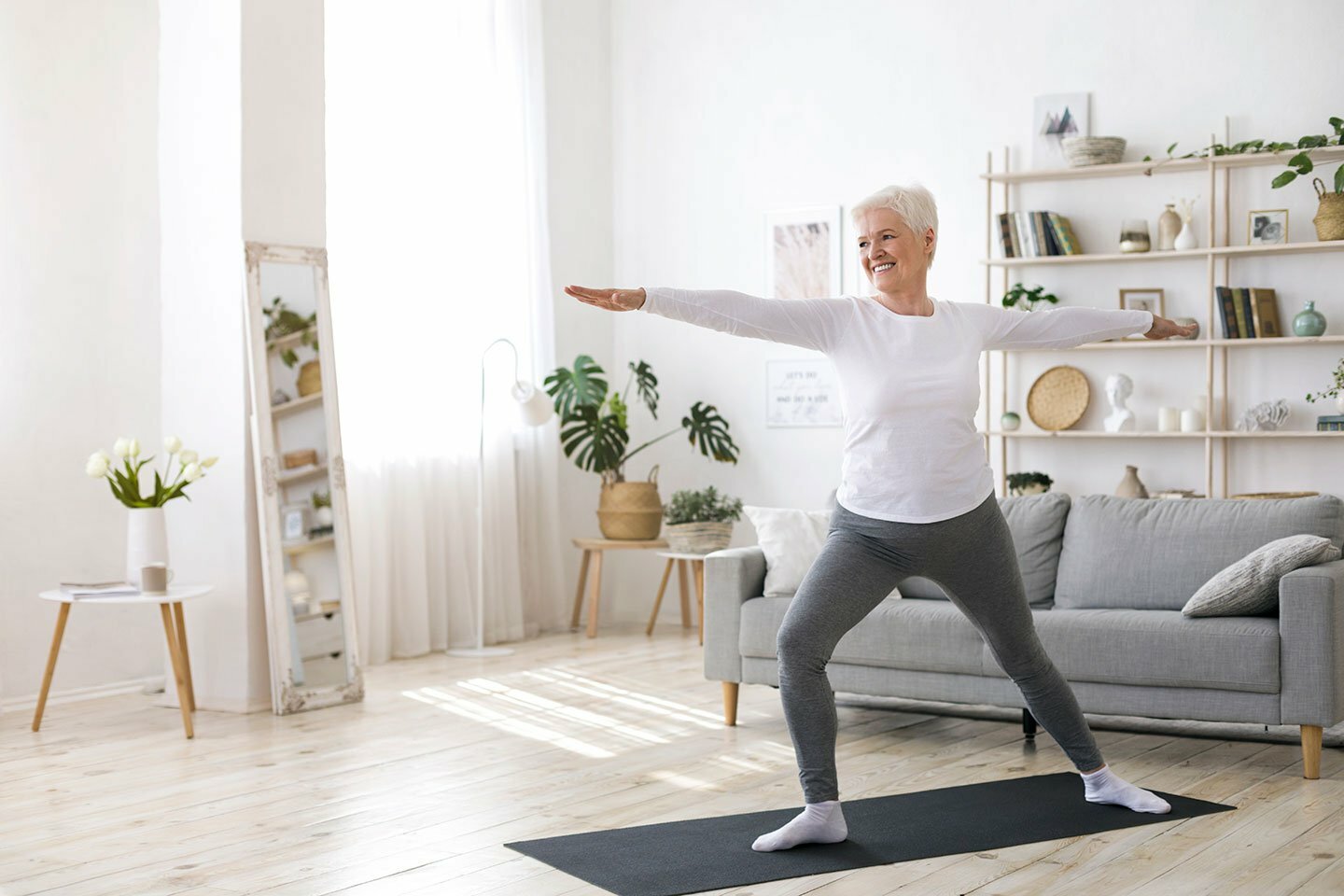
Physical activity is one of the most effective ways to support bone health. Not all movement affects bones the same way, though.
Try Gentle Cardio
Walking, dancing, and low-impact aerobics all put healthy stress on the bones. Even everyday tasks like climbing stairs or carrying groceries count. Aim for about 30 minutes of movement most days of the week. Consistency matters more than intensity.
For added bone stimulus, light-impact movements like gentle jumping or stepping exercises can help, if they’re safe and appropriate for your ability level. Always check with your doctor before introducing higher-impact movement.
Add Strength and Resistance Training
Strength training encourages bones to adapt and become stronger. Using light weights, resistance bands, or bodyweight exercises like squats can all be effective.
You don’t need special equipment. Water bottles or household items can work just as well when starting out.
The goal is gradual, sustainable progress, not pushing through discomfort or pain.
Don’t Forget About Balance
Balance is a critical but often overlooked part of bone health. Poor balance increases fall risk, which can be especially dangerous when bones are fragile.
Practices like tai chi, yoga, or simple balance exercises can improve stability and confidence.
Preventing falls is just as important as strengthening bones when it comes to reducing fracture risk.
Common Myths About Bone Density
One common myth is that it’s “too late” to support bone health after 60. In reality, positive lifestyle changes can help protect bone strength at any age.
Another misconception is that osteoporosis only affects women. While women are at higher risk, men account for 20 to 25 percent of osteoporosis cases, and bone loss in men often goes unnoticed until a fracture occurs.
It’s also a mistake to rely on supplements alone. Strong bones are supported by a combination of nutrition, movement, and healthy daily habits.
A Gentle, Non-Invasive Way to Support Bone Health
Nutrition and regular movement are the foundation of bone health. Still, some people look for additional ways to support their bones, particularly if high-impact exercise is uncomfortable or not an option.
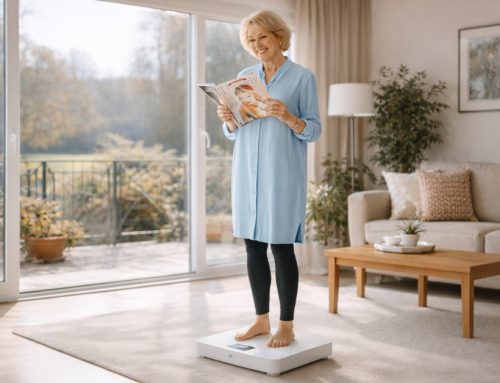
Marodyne LiV is a gentle vibration platform designed for safe, at-home use. It provides low-level mechanical stimulation that supports bone and muscle activity without requiring strenuous movement.
Used alongside everyday habits like eating well, staying active, and working on balance, Marodyne LiV can be part of a broader approach to supporting bone health after 60. It’s designed to fit into daily life without adding strain or complexity.
Supporting your bones doesn’t require extreme measures. Small, consistent actions add up over time, and for some people, a simple at-home device like Marodyne LiV can complement those efforts.

 Black Friday → Christmas Sale! Save $300 + Free Shipping