Proudly Canadian
 Call Us: +1 403-287-0993
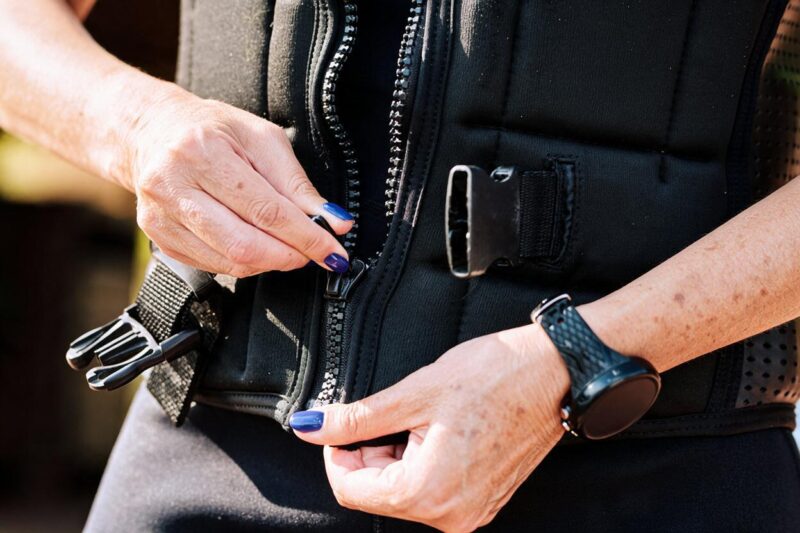
If you have osteoporosis or osteopenia, you may have heard that wearing a weighted vest can help strengthen your bones. The idea is simple: adding extra weight to your body creates more resistance as you walk or exercise, which may encourage your bones and muscles to work harder. It sounds like an easy and affordable option. But does wearing a weighted vest actually improve bone density?
The answer is more complicated than you might expect. While weighted vests can have a role in certain exercise programs, there is currently limited evidence that simply wearing one during everyday activities or walking can improve bone mineral density. If you are considering a weighted vest for osteoporosis, here is what you should know about the research, potential safety concerns, and another non-drug option you may want to discuss with your healthcare provider.
What Does the Research Say About Weighted Vests?
Research on weighted vests and bone health is still limited, but here’s what we know so far:
- Limited evidence for bone density: According to Osteoporosis Canada, there is little evidence that wearing a weighted vest while walking or doing everyday activities increases bone mineral density.
- Research has been mixed: Studies looking at weighted vests as part of exercise programs have had inconsistent results. Many have also involved small groups of participants or shorter study periods, making it difficult to draw firm conclusions.
- They may still support muscle strength: Adding weight during certain resistance exercises may help build muscle strength. Stronger muscles can help support balance, mobility, and overall physical activity as you age.
- They are not a proven treatment for osteoporosis: While a weighted vest may have a role in an exercise program, it should not be considered a proven way to improve bone density on its own.
- Get professional guidance: If you are considering a weighted vest, talk with your doctor or an exercise professional who understands osteoporosis. They can help you determine whether it is appropriate for you and how to use it safely.
Is a Weighted Vest Safe With Osteoporosis?
Before adding extra weight to your routine, it is important to consider how it may affect your body. A weighted vest changes the amount of load your body carries, which can affect your balance and put additional stress on your spine. This may be especially important if you already have concerns about falls, back pain, spinal arthritis, or a previous disc injury. A heavier vest can also become uncomfortable or tiring, particularly if you are not used to carrying additional weight.
This does not mean that weighted vests are unsafe for everyone with osteoporosis. It simply means that more weight is not automatically better for your bones. Your doctor or a qualified exercise professional can help you decide whether a weighted vest makes sense for you and how it could be used safely.
Another Option to Consider: Low-Intensity Vibration Therapy
If you are looking for a non-drug approach to support your bone health, you may have also come across low-intensity vibration therapy.
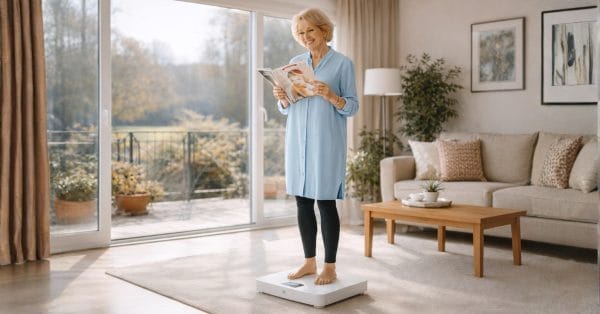
- No added weight: Unlike a weighted vest, vibration therapy does not require you to carry extra weight. Instead, you simply stand on a platform that delivers a gentle mechanical signal to your body.
- Research is ongoing: Low-intensity vibration therapy has been studied for decades. A 2025 review in Frontiers in Endocrinology found that some studies have reported improvements in bone mineral density, including at the hip and spine. However, results have varied, and researchers continue to call for larger, longer-term studies.
- The device matters: Not all vibration platforms work the same way. Different devices can deliver different types and levels of vibration, so research on one device cannot necessarily be applied to every vibration plate.
- Simple to use at home: Marodyne LiV is a medically certified device that delivers a specific low-amplitude vibration signal. It is designed to be used for approximately 10 to 20 minutes a day while standing on the platform.
- A drug-free option: If you’re interested in exploring a drug-free approach to supporting bone health, low-intensity vibration therapy may be something to discuss with your healthcare provider.
Weighted Vests vs. Low-Intensity Vibration Therapy
These two approaches work in very different ways, so they should not be thought of as interchangeable.
A weighted vest adds resistance to your body and is generally used as part of an exercise program. Low-intensity vibration therapy uses a gentle mechanical signal without requiring you to carry additional weight.
Neither should replace a treatment plan recommended by your healthcare provider. The right approach depends on your bone health, strength, balance, activity level, and overall health.
Frequently Asked Questions
Does a weighted vest actually help with osteoporosis?
There is currently not enough evidence to show that simply wearing a weighted vest during everyday activities or walking improves bone mineral density. Weighted vests may be useful for adding resistance during certain exercises, particularly when used as part of a structured program.
What does the research say about weighted vests and osteoporosis?
Research has produced mixed results. Many studies are relatively small or have followed participants for a limited amount of time, so more research is needed before weighted vests can be considered a reliable way to improve bone density.
Is vibration therapy better than a weighted vest for bone density?
The two approaches work differently, so they are difficult to compare directly. Low-intensity vibration therapy has been studied for bone health, with some research showing potential benefits for bone mineral density. However, results vary and more research is still needed.
If you are considering either option, talk with your healthcare provider about what is appropriate for your situation.
What is the best vibration plate for osteoporosis in Canada?
Not all vibration plates are designed for the same purpose. Many consumer products are designed for general fitness, while medically certified devices such as Marodyne LiV deliver a specific low-intensity signal.
If you are considering vibration therapy for bone health, look at the type of signal the device delivers and the research supporting its use rather than assuming all vibration plates work the same way.
Are weighted vests safe for people with osteoporosis?
A weighted vest may not be appropriate for everyone with osteoporosis. Extra weight can affect balance and increase the load placed on your spine, which may be a concern for people with certain back or spinal conditions.
Talk with your doctor or a qualified exercise professional before adding a weighted vest to your routine.
The Bottom Line
If you have osteoporosis or osteopenia, it is natural to look for simple ways to support your bones. A weighted vest may have a place in a structured exercise program, particularly for building strength, but there is currently limited evidence that wearing one during everyday activities will improve bone density. If you are exploring other non-drug options, low-intensity vibration therapy is another approach worth learning about. The research is still developing, but it has been studied specifically in relation to bone and musculoskeletal health.
The most important step is finding an approach that is safe, realistic, and appropriate for your individual needs.
Looking for More Ways to Support Your Bone Health?
If you’re exploring options for osteoporosis or osteopenia, it can be difficult to know which approaches are worth considering. Explore Marodyne LiV to see how itmay fit into your bone health routine.
References
- Osteoporosis Canada. Weighted Vests: Are They Good For Bone Health? Position Statement.
- Frontiers in Endocrinology. “Advances in vibration therapy for the treatment of osteoporosis.” 2025.