Proudly Canadian
 Call Us: +1 403-287-0993
A diagnosis of osteoporosis or osteopenia often comes with a difficult question: is it still safe to stay active? For many Canadian women managing bone health, the fear of a fracture can make everyday movement feel intimidating. Yet staying active is one of the most important things you can do for your bones, provided you understand which exercises are safe for osteoporosis and which movements are better approached with caution. This post looks at what current osteoporosis guidelines and physiotherapy guidance say about safe exercise, the movements worth avoiding, and how balance-focused strategies fit into a well-rounded bone health routine.
Why Exercise Matters for Bone Health
Bone is living tissue that responds to the forces placed on it. When muscles pull against bone during activity, they help stimulate the cells responsible for bone formation. This is one reason reduced mobility has been linked to lower bone mineral density across a range of patient populations [1]. For people managing osteoporosis or osteopenia, the goal of exercise is not simply cardiovascular fitness. It is to help maintain bone strength, support the muscles that stabilize the spine and hips, and help reduce fall risk, all without placing unsafe strain on fragile bone.
Safe Exercises for Osteoporosis and Osteopenia
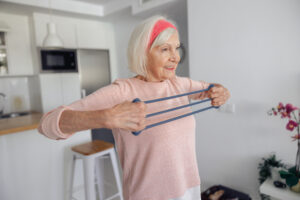
Osteoporosis guidelines generally point to a combination of weight-bearing and resistance exercises for osteopenia and osteoporosis. Weight-bearing activities such as walking, stair climbing, and low-impact aerobics ask muscles and bones to work against gravity. Resistance training, using bands, light hand weights, or bodyweight, helps build the muscle strength that supports posture and protects the joints.
Strengthening the muscles along the spine deserves particular attention. Research has linked paraspinal muscle strength to bone mineral density, suggesting back-strengthening exercises may play a meaningful role in a bone health routine [2]. A recent review comparing high-intensity and low-to-moderate-intensity resistance training in older adults found that appropriately dosed, supervised resistance work can help improve both muscle strength and bone mineral density, which is a reminder to work with a qualified professional when choosing the right intensity for your situation [3].
Exercises and Movements to Avoid
Not every form of exercise is appropriate once bone density has declined. Movements involving forward spinal flexion, such as touching your toes or full sit-ups, can increase pressure on the front of the vertebrae and raise the risk of compression fractures. High-impact activities like running or jumping, and exercises involving rapid, forceful twisting through the spine, are generally approached with caution for people with significant bone loss.
If you are new to exercise or unsure which movements apply to your situation, our patients page has more information on how a personalized approach can help you stay active safely. Following recognized osteoporosis guidelines and working with a physiotherapist to adapt movements to your bone density and fracture risk is the safest way to build a routine you can stick with.
Supporting Balance and Fall Prevention
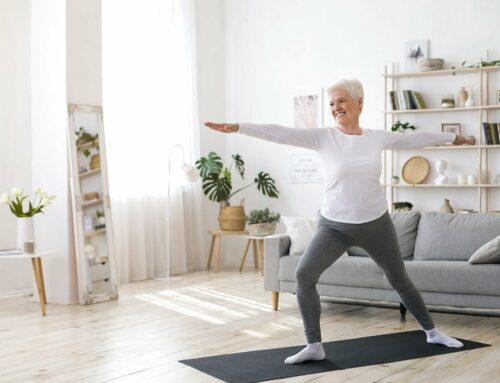
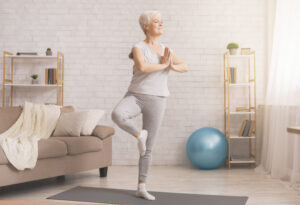
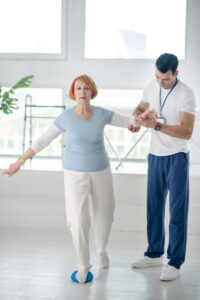
Balance problems are common among people with osteoporosis, and falls are a leading cause of fractures in this group. Balance-focused exercises, such as standing on one leg, heel-to-toe walking, or gentle tai chi movements, help train the muscles and reflexes that keep you steady on your feet. For more detailed strategies, our resource on fall prevention and bone health outlines practical steps you can take at home.
Low-intensity vibration therapy, such as the technology used in the Marodyne LiV device, is another option some Canadians incorporate into their routine. It delivers a gentle mechanical signal through the legs while standing, which may help support muscle strength and balance as part of a broader approach to bone health.
Frequently Asked Questions
Can you reverse osteoporosis with exercise?
Exercise cannot reverse osteoporosis on its own, but consistent weight-bearing and resistance activity, combined with guidance from your healthcare provider, may help slow further bone loss and support muscle strength. Speak with your doctor about a bone health plan that is right for you.
How can I increase bone density without drugs?
Non-drug approaches such as weight-bearing exercise, resistance training, adequate calcium and vitamin D, and technologies like low-intensity vibration may help support bone density over time. Any non-drug approach should be discussed with your healthcare provider.
What causes balance problems with osteoporosis?
Reduced muscle strength, changes in posture, and general deconditioning can all contribute to balance difficulties as bone density declines. Balance-specific exercise, along with fall-prevention strategies, can help address this over time.
Is low-intensity vibration therapy safe for seniors managing osteoporosis?
Low-intensity vibration therapy is generally non-invasive and pain-free, and many seniors use it alongside their existing care plan. As with any new therapy, speak with your healthcare provider before starting to confirm it is appropriate for you.
What exercises should you avoid with osteoporosis?
Movements involving forward spinal bending, twisting under load, or high-impact activity are generally best avoided. A physiotherapist can help you identify safe alternatives based on your bone density and overall health.
Final Thoughts
Staying active with osteoporosis is not about avoiding movement. It is about choosing the right kind of movement. Weight-bearing exercise, resistance training, and balance work can all help support your bone health and reduce fall risk, while certain high-impact or spine-flexing movements are best approached with caution. Working with your healthcare provider or physiotherapist can help you build a routine that keeps you active, confident, and safe.
Contact Our Team for Bone Health Support
If you have questions about how low-intensity vibration therapy may fit into your bone health routine, our team is here to help. We take the time to answer your questions and guide you through your options, from insurance to getting started.
References
1. Mus-Peters CTR, et al. Low bone mineral density in ambulatory persons with cerebral palsy? A systematic review. Disabil Rehabil. 2019. doi:10.1080/09638288.2018.1470261
2. Liu H, et al. Diagnostic Perspectives on the Relationship Between Paraspinal Muscles and Bone Mineral Density: A Narrative Review. Diagnostics (Basel). 2026. doi:10.3390/diagnostics16132010
3. Shen YC, et al. Effectiveness of High-Intensity Versus Low-To-Moderate-Intensity Resistance Training in Improving Muscle Strength and Bone Mineral Density in Older Adults: A Systematic Review and Meta-Analysis of Randomized Controlled Trials. Geriatr Gerontol Int. 2026. doi:10.1111/ggi.70607