Proudly Canadian
 Call Us: +1 403-287-0993

Noticing that a parent is more cautious on the stairs, or hearing the words “osteoporosis” or “osteopenia” for the first time after a doctor’s visit, can be an unsettling moment for any adult child. You want to help, but you are not sure what to say or where to begin. If you are searching for guidance on how to help a parent with osteoporosis in Canada, wanting to understand more before the conversation happens is already an important first step.
This guide covers why these conversations feel difficult, what to say to a parent diagnosed with osteoporosis, and how families across Canada are exploring drug-free bone health options together.
Why This Conversation Can Feel So Difficult
A bone health diagnosis often brings up more than medical questions. For many parents, it can feel like an early sign of losing independence, which can make them defensive or reluctant to talk about it at all. As the adult child, you may be juggling worry about fracture risk in seniors with a genuine wish not to overstep.
These feelings are common. According to a Public Health Agency of Canada report, approximately 2.2 million Canadians aged 40 and older were living with diagnosed osteoporosis, and about 80 percent were women.¹ Prevalence increases with age, so many families will face this conversation at some point.¹ Knowing you are not alone in navigating this can make the first conversation feel a little less daunting.
What to Say to a Parent Diagnosed with Osteoporosis
Caregiver support in Canada does not mean managing every detail of your parent’s care. It often means being a steady, informed presence they can turn to with questions. There is no single script, but a few approaches tend to help:
- Lead with curiosity, not correction. Ask what their doctor said and how they are feeling about it, rather than telling them what to do. This keeps the conversation collaborative.
- Focus on independence, not limitation. Many parents respond better to conversations framed around staying active, rather than being told what they can no longer do
- Offer to help with research, not decisions. Parents often appreciate a second set of eyes on information, as long as the final choice remains theirs.
- Be patient with repeated conversations. A diagnosis often takes more than one conversation to process. Revisiting the topic gently over time tends to work better than resolving everything at once.
Exploring Drug-Free Bone Health Options Together
Many parents are cautious about starting new medications, particularly if they have concerns about side effects or interactions with existing prescriptions. This is often where families begin looking into non-invasive bone health technology as a complementary option to discuss with a healthcare provider.
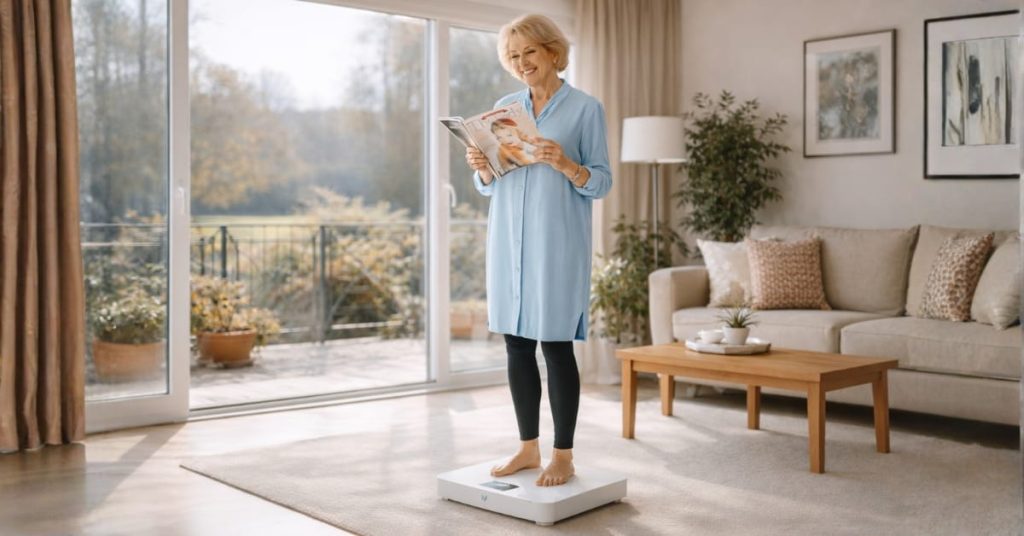
Marodyne LiV is a certified, drug-free bone health device designed to support bone and muscle health through low-intensity vibration. As a low intensity vibration plate, it delivers a gentle, precise signal while your parent stands on the device for 10 to 20 minutes a day at home, with no medication involved.
As an osteoporosis device in Canada, Marodyne LiV may be used alongside a parent’s existing treatment plan or as a standalone option, depending on their situation and healthcare provider’s guidance. You can learn how Marodyne LiV works and review the research behind the technology, or visit our Patients page to see whether it may be a fit for your parent’s concerns.
Bringing a specific, credible option into the conversation, rather than a general suggestion to “look into bone health,” can make the discussion feel more concrete for everyone involved.
Frequently Asked Questions
How do I bring up bone health with a parent who seems resistant to the topic?
Start by asking questions rather than offering solutions. Many parents are more open to a conversation that begins with genuine curiosity about their diagnosis and how they are feeling, rather than one that starts with advice.
What should I avoid saying to a parent diagnosed with osteoporosis?
Try to avoid language that suggests they are fragile or incapable, as this can make parents defensive. Framing the conversation around maintaining independence tends to be better received than framing it around limitation.
Why is fracture risk higher for seniors with osteoporosis?
Bone density naturally declines with age, which means bones become more fragile and a minor fall or bump can result in a fracture more easily than it would in someone with healthy bone density.
Is Marodyne LiV a good option to bring up with a parent in Canada?
It may be, particularly for parents who are cautious about medication or looking for a drug-free bone health support option. We recommend a conversation with their healthcare provider to confirm it is appropriate for their specific situation.
Where can I find caregiver osteoporosis support in Canada?
Speaking with your parent’s healthcare provider is a good starting point. Our team also supports families across Canada by answering questions about bone stimulation therapy and helping you understand whether a given option may be appropriate.
You’re Not Alone in This Conversation, Our Team Is Here to Help
If your family is exploring drug-free bone health options for a parent, Speak With Our Team and we will answer your questions before any decision is made.
References
- Public Health Agency of Canada. Osteoporosis and Related Fractures in Canada: Report from the Canadian Chronic Disease Surveillance System, 2023.