Proudly Canadian
 Call Us: +1 403-287-0993
Falls Prevention Month is a good reminder that a fall can be more serious than it seems, especially for people living with osteoporosis or osteopenia. When bones are weaker, even a simple stumble can sometimes lead to a fracture, a hospital visit, and a longer recovery. That is why fall prevention and bone health go hand in hand. Stronger bones can help reduce the chance of a serious fracture if you do fall, while good balance and muscle strength can help you stay steady and reduce your risk of falling in the first place. Taking care of both is an important part of protecting your mobility and independence as you get older.
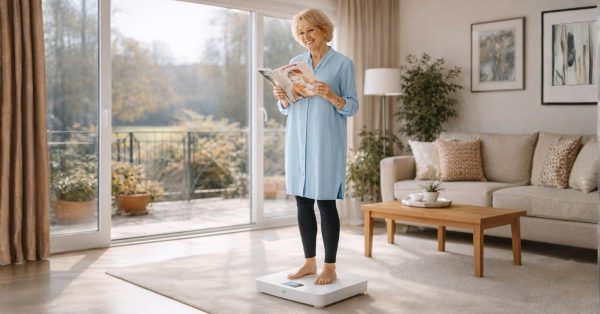
Why Bone Strength and Balance Work Together
Osteoporosis and osteopenia can cause bones to become less dense and more fragile. This means a fall or even a minor impact may be more likely to result in a fracture.
Balance is a little different. It relies on things like muscle strength, coordination, vision, and your body’s ability to keep you steady as you move. These can change with age, inactivity, certain medications, or other health conditions.
When bone strength and balance are both affected, the risk can increase in two ways: you may be more likely to fall, and you may be more likely to experience a serious injury if you do.
That is why looking after your bones, muscles, and balance together can be so important.
What Can Increase the Risk of Falls and Fractures?
There is not always one obvious reason someone falls. Several small changes can add up over time. For many people, bone health first comes to their attention after a fracture or a bone density test, such as a DEXA scan. The good news is that understanding your risk gives you an opportunity to do something about it before a fall happens.
Some common risk factors include:
- Low bone density caused by osteoporosis or osteopenia
- Reduced muscle strength
- Changes in balance or coordination
- Vision changes
- Certain medications that can cause dizziness or drowsiness
- Poor lighting around the home
- Loose rugs, clutter, or other trip hazards
- Reduced physical activity
How Low Intensity Vibration Therapy Supports Bone and Muscle Health
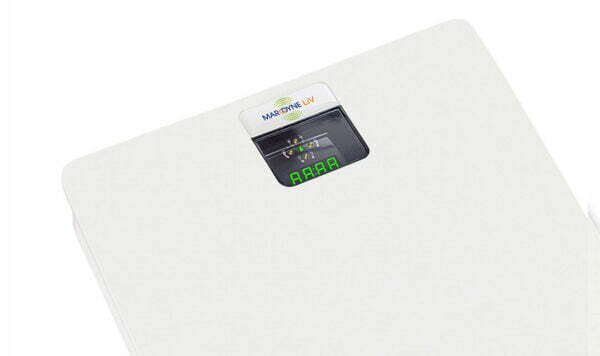
For people looking for a drug-free option to support their bone and muscle health, low-intensity vibration therapy may be worth discussing with a healthcare provider. Marodyne LiV is a medically certified device that delivers a gentle, low-intensity vibration while you stand on the platform. A typical session takes just 10 to 20 minutes a day and can be done at home. The gentle signal is designed to stimulate muscles in the legs and may help support muscle activity, balance, and bone health when used consistently. It is non-invasive and does not require exercise or medication. It can also be used alongside other approaches to bone health, depending on your individual needs.
Learn more about how Marodyne LiV works and whether it may be appropriate for you on our patient information page.
Simple Ways to Help Prevent Falls
You do not have to make major changes all at once. A few simple steps can make your home and daily routine safer. If you are looking for a drug-free option to complement your existing routine, low-intensity vibration therapy may be something to discuss with your healthcare provider.
- Talk to your healthcare provider. Ask about your bone health, fracture risk, medications, and whether a bone density test is appropriate for you.
- Make your home safer. Remove loose rugs and clutter from walkways, improve lighting, and make sure stairs and bathrooms are easy to navigate.
- Work on strength and balance. Exercises recommended by a physiotherapist can help you build strength and improve your stability.
- Keep your vision up to date. Regular eye exams can help identify vision changes that may make it harder to navigate safely.
You can also learn more about reducing fracture risk at home and supporting muscle strength and balance.
Frequently Asked Questions
How can seniors improve balance and reduce their risk of falling?
Regular strength and balance exercises can help support stability and confidence when moving. A physiotherapist can recommend exercises based on your abilities and needs. It is also important to address things that may contribute to falls, such as poor lighting, vision changes, loose rugs, clutter, or medications that cause dizziness or drowsiness. Some people also explore low-intensity vibration therapy, such as Marodyne LiV, as a drug-free option to support muscle activity and balance.
Does vibration therapy help with osteoporosis?
Low-intensity vibration therapy is designed to provide a gentle mechanical signal that may support bone and musculoskeletal health with regular use. It is not a replacement for prescribed osteoporosis treatment. If you are considering vibration therapy, talk with your healthcare provider about whether it is appropriate for you and how it could fit into your overall bone health plan.
What is Falls Prevention Month?
Falls Prevention Month is a Canadian initiative focused on raising awareness about falls and sharing practical ways to help prevent them, particularly among older adults. It is a yearly reminder to think about more than just avoiding falls. Bone health, muscle strength, balance, vision, and home safety all play a role in staying active and independent.
Can a vibration plate help support bone density?
Not all vibration plates are designed for the same purpose. Consumer vibration plates are generally made for fitness and exercise, while medically certified devices such as Marodyne LiV are designed to deliver a specific low-intensity vibration signal. If you are considering vibration therapy for bone health, it is important to understand the difference and speak with a healthcare provider about what may be appropriate for you.
Is low-intensity vibration therapy safe for seniors with osteoporosis?
Low-intensity vibration therapy is non-invasive and generally well tolerated. However, whether it is appropriate depends on your individual health and circumstances. If you have osteoporosis or another health condition, speak with your healthcare provider before starting a new treatment or therapy. They can help you decide whether it is a suitable addition to your current care plan.
Protect Your Bones and Your Independence
Preventing falls is about more than avoiding a trip or stumble. It is about giving yourself the best opportunity to stay active, independent, and confident as you age. This Falls Prevention Month, take a few minutes to think about your bone health, balance, muscle strength, and home environment. A conversation with your healthcare provider, a few changes around the home, and regular strength and balance exercises can all be valuable steps. For some people, drug-free options such as low-intensity vibration therapy may also have a place in their overall approach to bone health.
Take the Next Step for Your Bone Health
If you are living with osteoporosis or osteopenia, or you are concerned about maintaining your strength and mobility as you age, our team can help you learn more about Marodyne LiV. Speak With Our Team and we can answer your questions about how it works, whether it may be appropriate for you, insurance, and how to get started with no pressure and no obligation.